


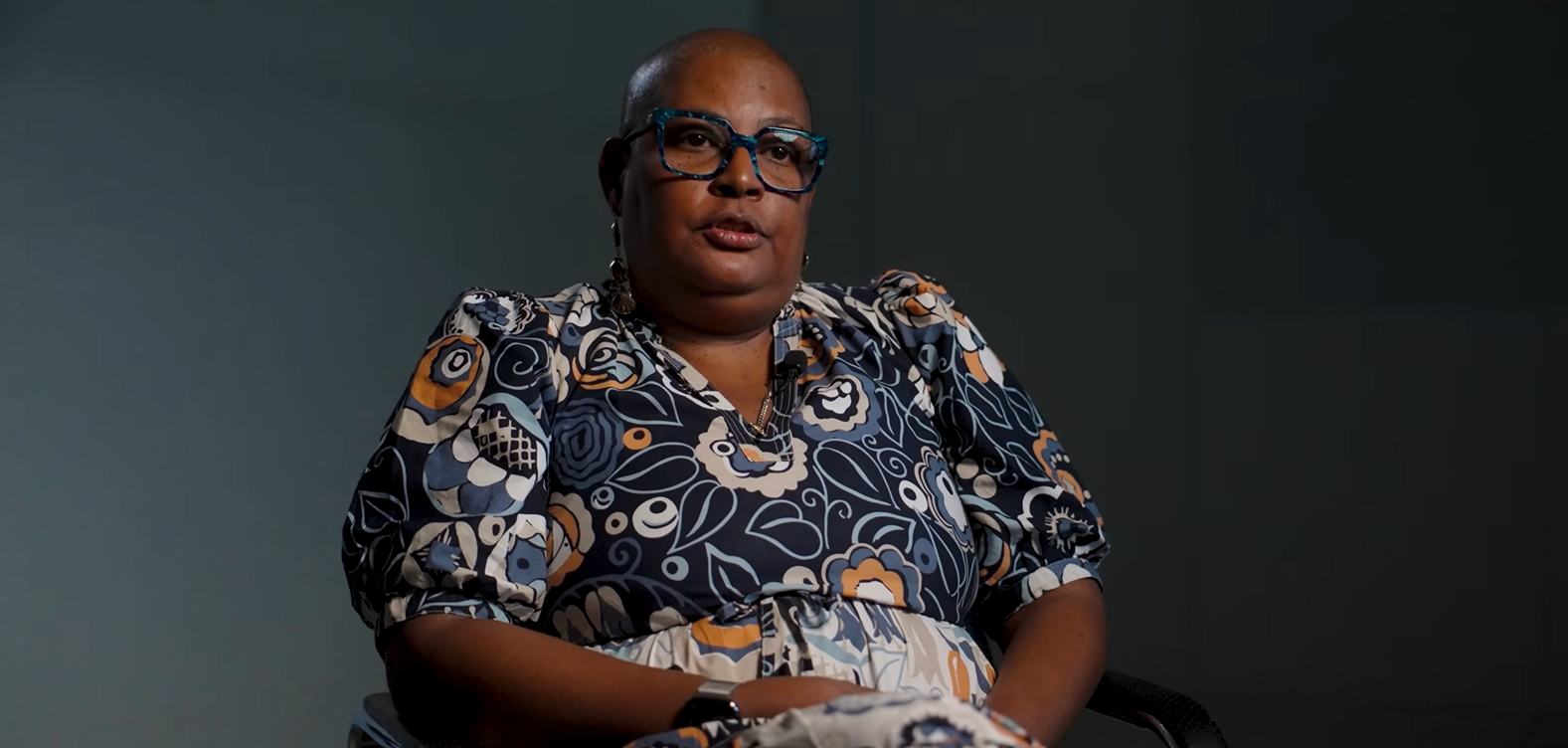
Seychelles is entering a new phase of economic development, balancing stability with modernization as it prepares for future growth. According to Caroline Abel, resigned Governor and Chairperson of the Central Bank of Seychelles, the country has built a resilient financial system while embracing digital transformation, regulatory reform, and economic diversification to strengthen long-term prosperity.
“The country is poised to be even better in the future,” she says, highlighting Seychelles’ focus on improving the economic landscape, identifying new opportunities, and responding dynamically to both domestic and global economic developments.
Despite ongoing international uncertainty, she believes the country’s outlook remains positive thanks to prudent economic management and a commitment to innovation.
Building a More Dynamic Economy
A major priority for Seychelles is creating an environment that supports investment while improving the efficiency of government services through technology. Abel explains that digitalization is becoming an increasingly important pillar of national development.
“We are on a very good footing for promoting new investment,” she says, noting that digitized public services and improved efficiency will help create new economic opportunities while enhancing livelihoods across the country.
As Seychelles celebrates more than five decades of independence, she also sees significant potential for expanding the country’s service economy, particularly within financial services. She expects it to play an increasingly important role in future growth.
Strengthening Financial Services Through Regulation
Abel credits the country’s financial resilience to strong regulatory institutions and continuous legal reform.
She explains that both the Central Bank and the Financial Services Authority have steadily strengthened oversight, improved legislation, and built institutional capacity to ensure a stable banking and financial system.
“I would say banking and the financial sector in general has been stable,” she says.
While maintaining robust supervision, Seychelles is also encouraging greater innovation by welcoming new participants into the financial sector. Regulatory reforms have opened the door for non-bank financial institutions, particularly within the payments industry, helping expand access to financial services and increase competition.
Balancing Innovation with Financial Integrity
Although innovation remains a priority, Abel emphasizes that financial integrity cannot be compromised.
“Whilst we enhance our financial sector, we need to make sure that we have financial integrity as well,” she explains.
She believes maintaining strong oversight alongside greater flexibility is essential to ensuring sustainable growth, particularly as Seychelles works to improve access to finance for small businesses while preserving confidence in its financial system.
“The opportunities for that sector to grow are there,” she adds, “but the base of resilience is already there.”
Monetary Policy Anchored in Stability
Maintaining macroeconomic stability remains one of the Central Bank’s core responsibilities.
Abel explains that the reforms introduced since 2008 have significantly strengthened Seychelles’ monetary policy framework, helping the country maintain price stability even during periods of global volatility.
She also highlights the transition to a floating foreign exchange regime as a key reform that has improved the economy’s ability to respond to changing market conditions.
Coordination between the Central Bank and the Ministry of Finance has further reinforced economic stability.
“The Central Bank and Ministry of Finance have been working very closely so that fiscal and monetary policy works hand in hand.” Caroline Abel, resigned Governor and Chairperson of the Central Bank of Seychelles,
This coordinated approach has helped keep inflation under control while allowing monetary policy to remain supportive of economic activity during periods of international uncertainty.
Communication as a Pillar of Confidence
Abel believes transparency is essential to maintaining trust in the financial system.
“The Central Bank… communicates,” she says, explaining that clear communication helps manage public expectations while giving investors confidence in the country’s economic direction.
The Bank places significant emphasis on explaining policy decisions, legislative changes, and future reforms so businesses and citizens understand both the rationale behind decisions and the opportunities they create.
For Abel, this forward-looking approach allows Seychelles to adapt quickly to emerging trends while ensuring that future legislation supports long-term economic growth.
“The country is poised to be even better in the future.”
With a resilient financial system, disciplined monetary policy, growing digital capabilities, and a strong commitment to transparency, Seychelles is positioning itself for its next stage of economic development. Abel believes the country’s combination of stability, reform, and forward-looking policymaking provides a solid foundation for attracting investment while creating sustainable opportunities for future generations.
