


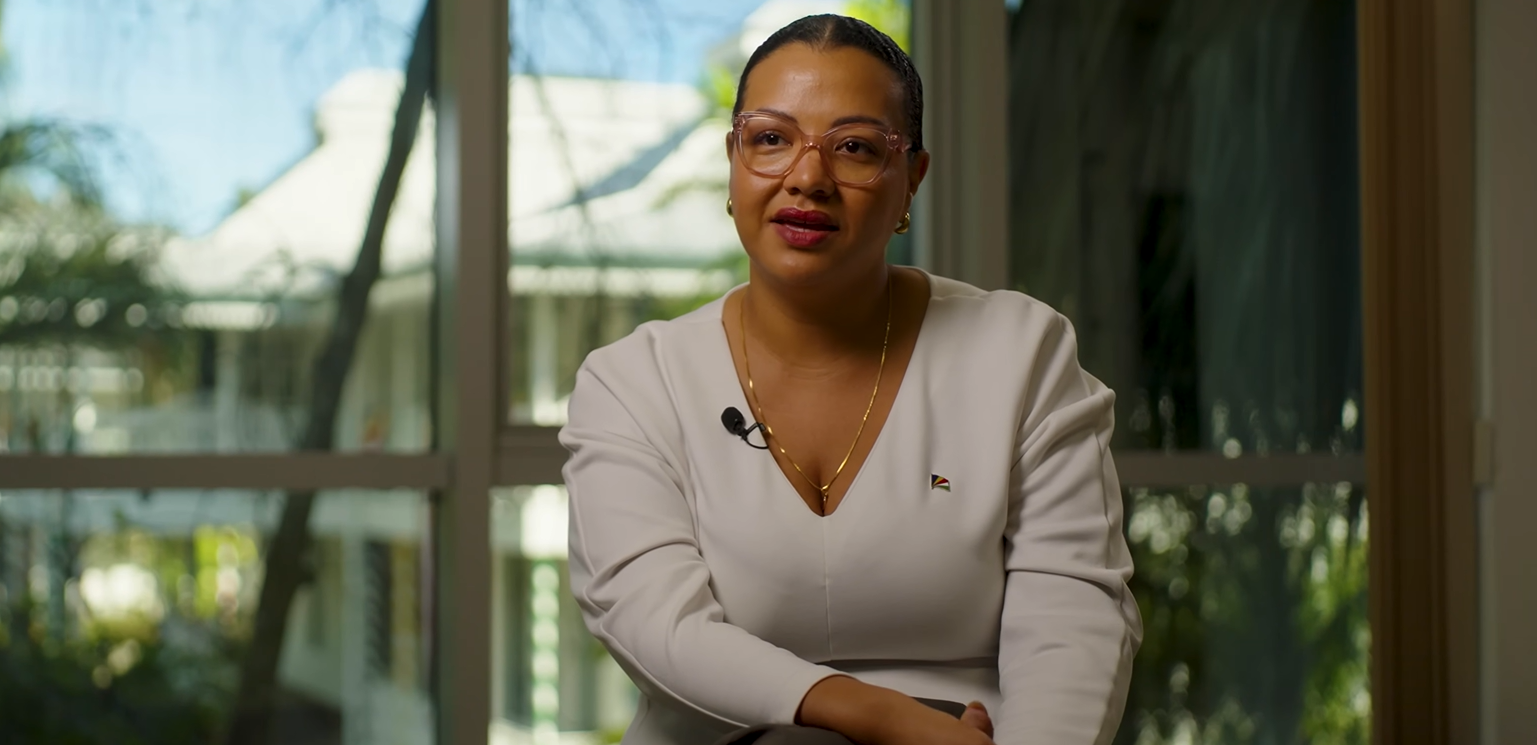
For Seychelles, tourism has always been more than an economic driver. It is a responsibility to protect one of the world’s most unique island destinations while sharing its culture with visitors from around the globe. According to Amanda Berstein, Minister for Tourism and Culture, the country’s long-term strategy centers on preserving its natural environment, celebrating its rich Creole identity, and ensuring tourism growth remains sustainable for generations to come.
“Tourism has been a mainstay of our economy,” she says, explaining that Seychelles has always taken pride in preserving its islands while sharing their beauty with the world.
As the country looks toward its next fifty years of development, Berstein believes culture and sustainability will remain at the heart of everything Seychelles does.
Protecting Nature While Growing Tourism
Rather than pursuing mass tourism, Seychelles continues to prioritize a carefully managed model focused on quality over quantity.
“The strategy in Seychelles is very much higher-value and low impact,” Berstein explains.
Recognizing that the country’s natural environment is its greatest asset, she says every aspect of tourism development is designed to preserve biodiversity while ensuring future generations inherit the same pristine islands visitors enjoy today.
“We know what we have is precious,” she says, emphasizing that sustainable growth remains one of the government’s highest priorities.
Celebrating the Richness of Creole Culture
While Seychelles is internationally known for its beaches and landscapes, Berstein believes its cultural heritage is equally important to the visitor experience.
“People want to see our exquisite natural beauty… but they want to participate and share in our Creole culture.”
She describes Seychellois Creole culture as authentic, diverse, and deeply rooted in the country’s multicultural history.
“Creole culture is fascinating in its rich diversity,” she says, pointing to the islands’ cuisine, traditions, and people as reflections of influences from around the world that have blended into a uniquely Seychellois identity.
Preserving Heritage for Future Generations
Protecting cultural heritage is another cornerstone of the country’s tourism strategy.
Seychelles is already home to two UNESCO World Heritage Sites, while the government is actively campaigning to have Venn’s Town in the Sans Souci mountains recognized as a third cultural heritage site.
“It’s a very important and emotional site for Seychelles,” Berstein says, expressing hope that it will receive international recognition and be preserved for future generations.
She also highlights the UNESCO recognition of the traditional Moutya dance as one of the country’s proudest cultural achievements.
“That’s one of the treasures our visitors can experience in Seychelles,” she says.
Authentic Experiences Drive Modern Tourism
Modern travelers increasingly seek meaningful experiences rather than simply beautiful destinations.
“Diversity of experiences and authenticity of experiences is a key priority for us,” Berstein explains.
Alongside its beaches, Seychelles offers visitors opportunities to explore local culture, cuisine, music, history, and traditions—creating experiences that extend well beyond conventional island tourism.
Growing cultural tourism, she says, remains one of the ministry’s major priorities.
Strengthening Global Connectivity
As an island nation, accessibility remains essential to tourism growth.
Berstein says Seychelles continues to strengthen relationships with airline partners and international stakeholders to improve connectivity while maintaining the country’s sustainable tourism model.
“Our partnerships will continue to be essential for us to grow the sector in a way that will be beneficial for communities, industry and investors alike.”
She believes collaboration across government, airlines, tourism operators, and investors will be key to supporting the country’s long-term vision.
Maintaining World-Class Standards
Quality remains central to Seychelles’ tourism offering.
The Ministry works closely with hotels and tourism operators through grading programs and continuous standards assessments that encourage sustainability while reflecting the country’s cultural identity.
“We work very closely with our hotel and small operators to make sure that we maintain standards,” Berstein says.
She adds that partnerships across the tourism industry remain strong and aligned around a shared vision for the next fifty years of tourism development.
A Warm Invitation to the World
For Berstein, Seychelles offers far more than spectacular scenery.
“Seychelles is a gem and it’s unique. There is nothing quite like it.”
Beyond its famous beaches, visitors can experience hiking, birdwatching, fishing, adventure tourism, and authentic Creole culture, all delivered with the warmth that has become synonymous with Seychellois hospitality.
“We would welcome you with warm Creole hospitality,” she says, inviting travelers to experience a destination where nature, culture, and sustainability exist in harmony.
“Seychelles is a gem and it’s unique. There is nothing quite like it.” Amanda Berstein, Minister for Tourism and Culture
