

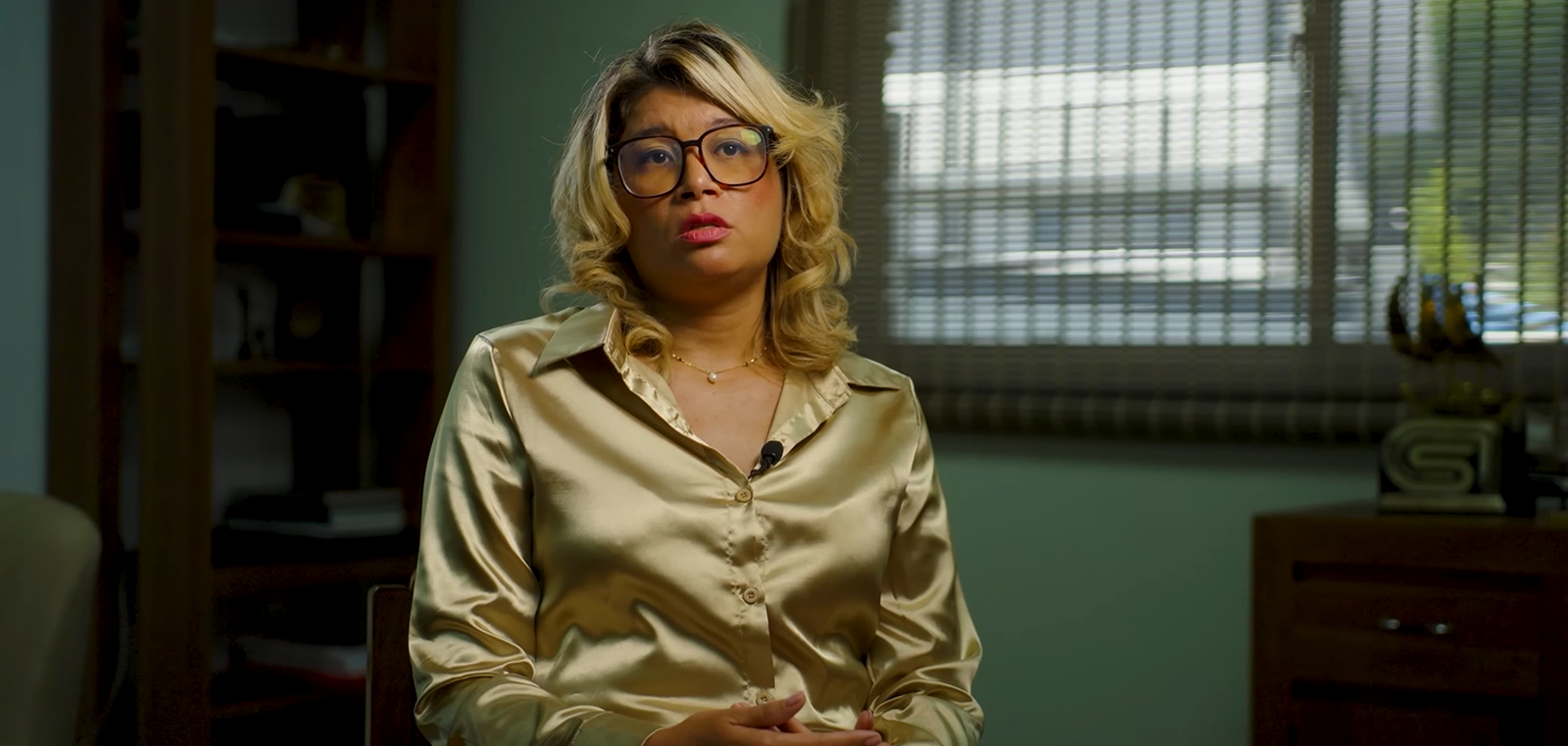
Seychelles has built a strong economic foundation over the past five decades, but its next chapter will depend on how effectively the country supports business growth, embraces digitalization, attracts investment, and protects the environment and culture that make it unique. According to Iouana Pillay, Secretary General of the Seychelles Chamber of Commerce & Industry (SCCI), the country has an opportunity to build on its achievements while identifying a select number of sectors where it can create sustainable, long-term growth.
In this exclusive interview, Pillay discusses the evolution of Seychelles’ private sector, the continued importance of tourism, the potential of the blue economy and tuna value addition, the need for digital transformation, access to land and affordable capital, and the role of collaboration between government, businesses, international partners, and the country’s young population.
From Family Businesses to a Growing Private Sector
Looking back over Seychelles’ development, Pillay highlights the transformation of the country’s business community.
“Seychelles has come a long way in various dimensions, but precisely in the business sector,” she says, pointing to the growth of businesses across different industries and the emergence of small, medium, and large enterprises.
Fifty years ago, much of the private sector was characterized by family-owned businesses. Over time, however, successive generations have expanded those businesses, while entrepreneurs have increasingly formed partnerships with foreign investors.
This evolution can be seen across a wide range of industries, including hotels, fisheries, agriculture, and retail.
For Pillay, the transformation demonstrates the capacity of Seychellois entrepreneurs to grow beyond traditional family businesses and participate in a much broader and increasingly international business environment.
Tourism Remains the Economic Stronghold
Tourism remains the strongest pillar of the Seychelles economy, but Pillay emphasizes that its importance can be seen across different scales of business.
The country has everything from small boutique hotels and Airbnb-style accommodation to major five-star and luxury properties, creating opportunities across the spectrum.
Many of the smaller boutique establishments are owned by Seychellois, which Pillay sees as an important achievement for the domestic private sector.
She also credits government support for helping the tourism industry develop, while stressing the need to continue improving what Seychelles already offers.
The next challenge, she argues, is not simply to attract more visitors, but to ensure that the tourism product continues to evolve alongside changing consumer expectations.
The Blue Economy and Tuna Value Addition
Alongside tourism, the blue economy remains a crucial area for Seychelles, particularly through its fisheries industry.
“Seychelles, in a nutshell, is a growing economy,” Pillay says, before highlighting fisheries as another major component of the country’s economic base.
Seychelles exports tuna around the world, making the industry strategically important. But Pillay believes there is significant room to capture more value locally by developing additional processing and value-added activities.
“An area where we would like to push and expand is into value addition with our tuna” Iouana Pillay, Secretary General of the Seychelles Chamber of Commerce & Industry (SCCI)
