

The United States and Poland are entering a historic era of economic collaboration, driven by strategic industrial partnerships and high-level trade diplomacy. As global supply chains adapt, specialized advocacy has emerged as a critical bridge connecting international corporations with federal avenues of growth.
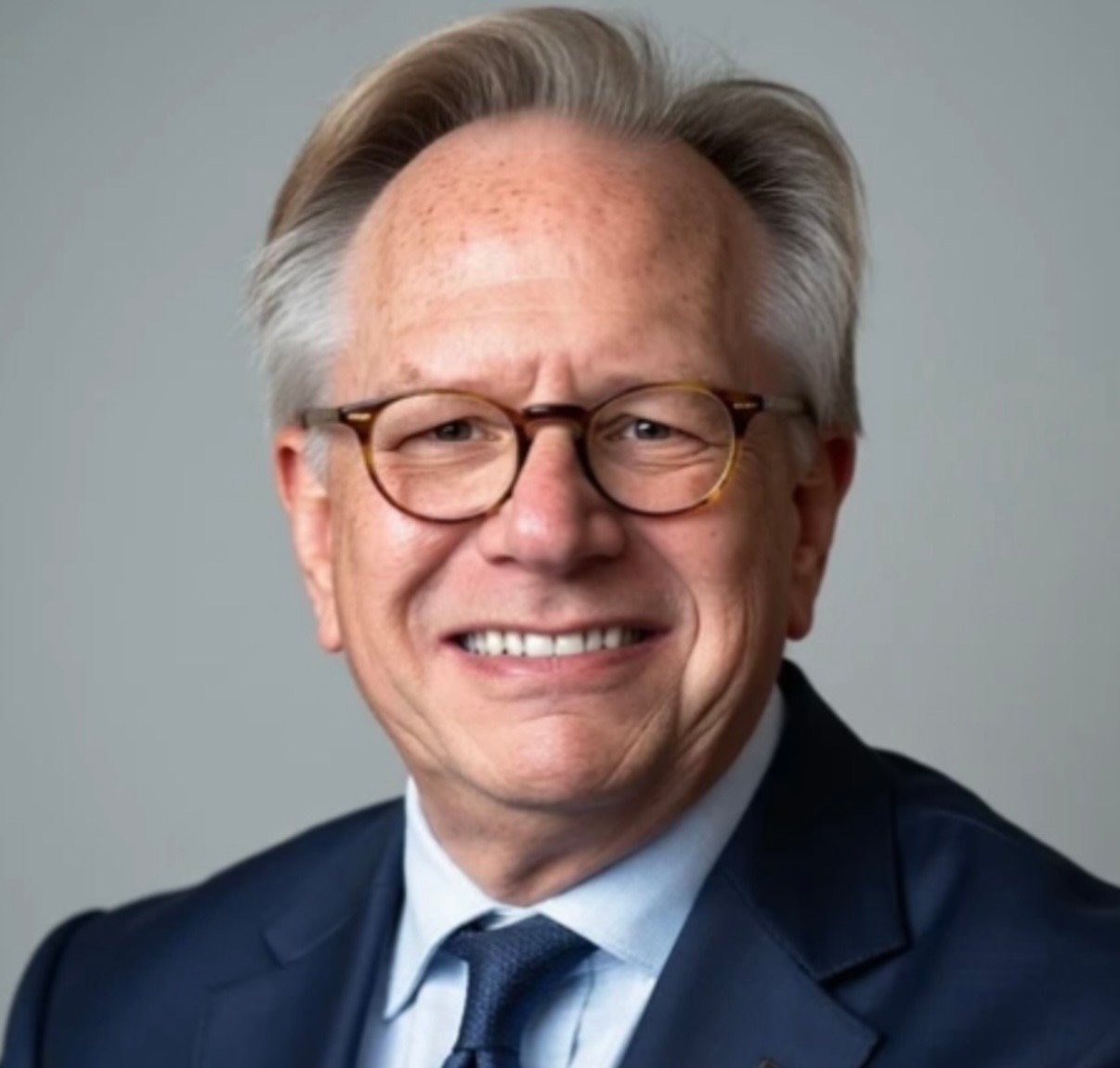
“Poland is executing a remarkable economic expansion, firmly positioning itself as Europe’s new economic motor while heavily scaling its investment ties with the United States,” says Michael Kesti, Chairman of the Government Relations Group.
Bridging Global Industry and Federal Administration
Headquartered in Washington, D.C., and Florida, the Government Relations Group acts as an elite intermediary, linking foreign businesses with the U.S. Department of Commerce and the highest echelons of the federal administration.
The firm maintains a close weekly operational relationship with the leadership of the International Trade Administration. Through this trusted position, the group is currently tracking Poland’s high-potential aerospace and defense manufacturing sectors for an upcoming major project in the United States.
This institutional integration also extends to international aid. Alongside the Global Empowerment Mission, the firm executes massive recovery programs across 78 countries. During the initial phase of the conflict in Ukraine, the firm managed all cross-border logistics exclusively through Poland, highlighting the nation’s critical regional infrastructure.
Maximizing Capital Efficiency Through Federal Incentives
One of the most valuable aspects of expanding into the U.S. market is the vast array of available federal economic incentives, tariff reliefs, and trade exception mechanisms.
The Government Relations Group specializes in a top-down federal approach, negotiating directly with Congress, the Senate, and the Department of Commerce before a corporation selects a specific state location. To optimize financial returns, the firm drives a competitive bidding process among state and local governments.
“For a major European cabinet manufacturer looking to build a factory in the U.S., we successfully structured a multi-state competitive package that secured an incentive grant covering approximately one-third of their entire $400 million construction budget.” Michael Kesti, Chairman of Government Relations Group
Redefining Customs Logistics via Foreign Trade Zones
Beyond direct grants, global distributors can unlock immense capital efficiency by leveraging U.S. Foreign Trade Zones (FTZs). Developed significantly under the guidance of Kesti’s associate, Gary Goldfarb—the “godfather of FTZs”—these zones offer dramatic financial advantages:
- Absolute Tariff Elimination: Any inventory distributed through an FTZ and re-exported to markets in Central and South America pays zero U.S. tariff.
- Customs Reclassification: Modifying or repackaging products within a zone can legally alter their classification to slash duty rates. For example, the firm recently helped a client repackage loose import phones with standard cords, legally transforming the item into a “phone kit” and dropping the tariff rate from 80% to just 20%.
The Launchpad to 2027
Looking toward 2027, Kesti views the strategic selection of trade hubs as the ultimate differentiator for global investors. For businesses targeting the Americas, Florida operates as a hyper-efficient launchpad featuring more than 100 binational chambers of commerce and over 18 daily freight connections to South American hubs like Brazil and Argentina.
For Kesti, the conclusion for modern enterprise is clear: “For any global investor, the ultimate rule of modern trade is simple: if you are not in Miami, your competition does not have competition.
