

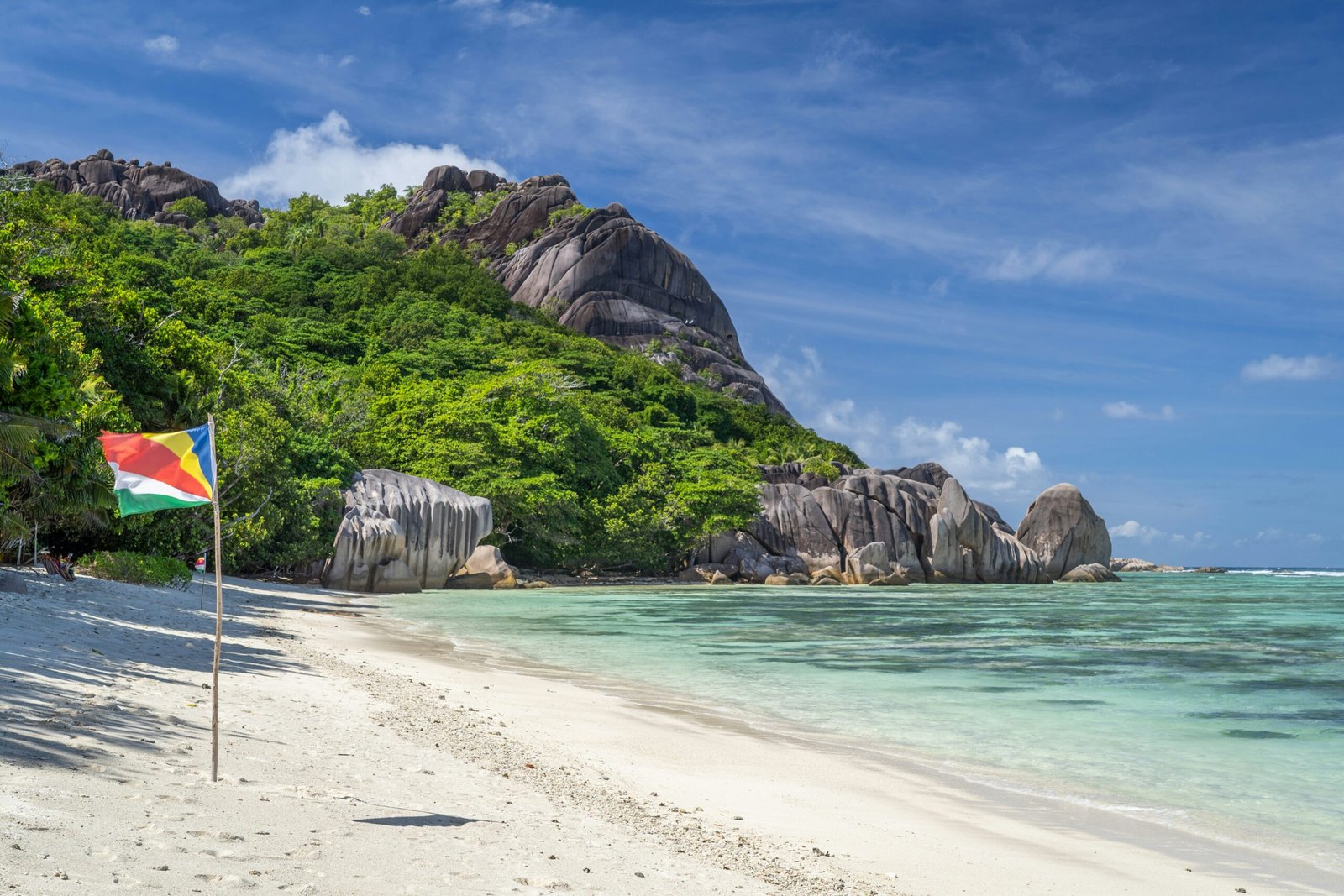
Seychelles enters Q2 2026 with a mix of resilience, cautious optimism, and clear investment potential. The economy continues to benefit from tourism recovery, relative macroeconomic stability, and a policy environment that remains open to foreign investment, even as structural constraints such as import dependence, limited labor depth, and external shocks remain part of the equation.
A small economy with outsized potential
Seychelles remains one of Africa’s most distinctive economies: small in scale, but highly global in outlook. Its growth story is tied closely to tourism, financial services, and the blue economy, all of which play an outsized role in shaping national output and investor confidence. Recent assessments continue to describe the country as relatively stable and investment-friendly, with a “moderately free” economy and a framework that still welcomes foreign capital. At the same time, the country’s dependence on imports and exposure to global disruptions make sustained growth more fragile than headline figures may suggest.
Growth outlook in 2026
The broader 2026 outlook points to steady but not explosive growth, with analysts and policy observers emphasizing resilience rather than acceleration. The IMF-linked and other macroeconomic views available at the start of the year suggest that Seychelles is expected to maintain positive momentum, supported by tourism, public investment, and services activity. The government’s 2026 budget framework also reflects continued attention to fiscal discipline, economic diversification, and sectoral development. In practical terms, this means Seychelles is likely to remain a market of selective but meaningful opportunities rather than broad-based expansion.
FDI themes to watch
Foreign direct investment in Seychelles continues to be concentrated in tourism, hospitality, real estate, infrastructure, and renewable energy, with some interest also emerging in aquaculture and ocean-related ventures. The country’s inward FDI stock has remained substantial relative to the size of the economy, underlining how important external capital is to its development model. Seychelles is also positioning itself as a destination for investors seeking both financial returns and visible impact, especially through sustainable and blue-economy-related projects. That combination is increasingly relevant for international investors looking for small-market entry points with strategic value.
What investors should watch
Three factors will shape the investment climate through the rest of 2026. First, tourism demand needs to remain strong, since it remains the anchor of growth and foreign exchange generation. Second, policymakers will need to keep improving the business environment by addressing regulatory friction, financing access, and private-sector competitiveness. Third, climate resilience and sustainability will become even more important, both as investment themes and as economic necessities for an island economy with high environmental exposure.
Why Seychelles still matters
Seychelles is not a large-market story; it is a strategic-market story. For investors, it offers a combination of stability, international connectivity, premium tourism appeal, and a growing narrative around sustainable development and ocean-led growth. For policymakers and business leaders, the challenge is to convert that narrative into broader diversification and more private-sector dynamism. If that balance improves in 2026, Seychelles could strengthen its standing as one of the Indian Ocean’s most interesting investment destinations.
