

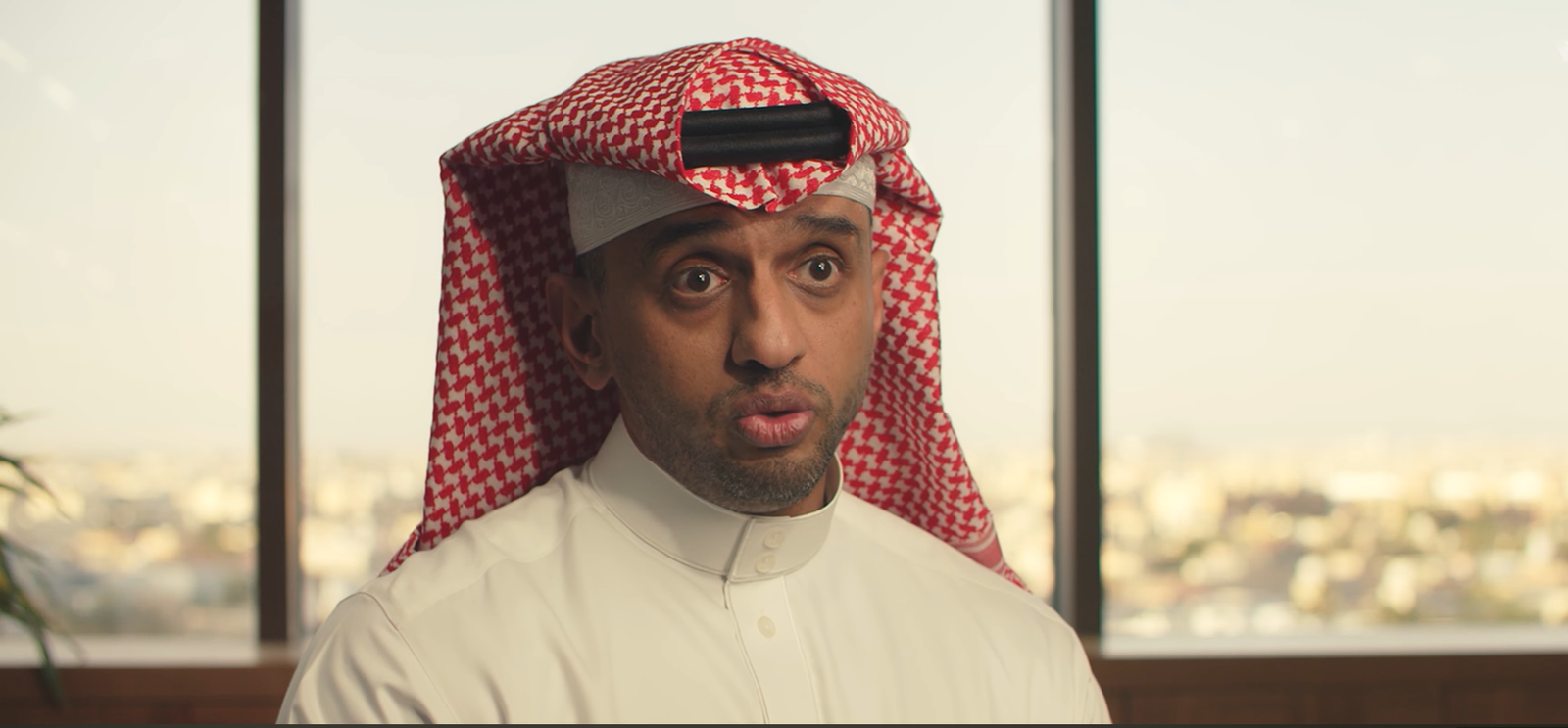
Saudi Arabia is undergoing one of the most ambitious transformations in modern economic history, according to Mohammed Abunayyan, CEO of TAMEAR. He says the Kingdom’s Vision 2030 agenda is creating entirely new industries, opportunities, and ways of living. In this exclusive interview, he outlines how construction, sustainability, innovation, and youth-driven growth are reshaping Saudi Arabia into a diversified economy built for the future.
“The Vision 2030 is very specific towards the transformation of the country from an oil dependent economy to a diverse economy where a lot of jobs can be created,” he says, framing the scale of the transition currently underway across the Kingdom. For Abunayyan, the transformation is not only economic — it is social, infrastructural, and generational.
A Young Economy Driving Transformation
One of the biggest strengths behind Saudi Arabia’s rapid evolution, he explains, is its youthful population. With a majority of citizens under the age of 30, the Kingdom is positioned to become a global center for innovation, entrepreneurship, and modern infrastructure development.
“This is a new young economy. A new generation coming up,” he says, emphasizing the energy and momentum fueling Vision 2030 initiatives across multiple sectors.
“This is a new young economy. A new generation coming up. We have, I believe, 70% or 65% are below the age of 30.” Mohammed Abunayyan, CEO of TAMEAR.
Abunayyan believes this demographic advantage is helping accelerate the adoption of new ideas, technologies, and sustainable urban planning concepts that were previously absent from the region’s development model.
Construction as a Catalyst for National Development
At the heart of Saudi Arabia’s transformation, Abunayyan says, is the construction and real estate sector. But unlike traditional infrastructure booms focused solely on expansion, he argues the Kingdom is designing its current projects around sustainability, quality of life, and long-term resilience.
“From an infrastructure perspective, the construction business [is] coming up with new and innovative ways to create jobs, to reduce waste, to manage the country’s vision of having a sustainable environmental friendly [future],” he explains.
This shift is redefining how planners design cities and how communities interact with their environments. From cycling infrastructure to entertainment districts and public spaces, Saudi Arabia is increasingly focusing on lifestyle-oriented urban development.
“This changes the way we look at things going forward in the sense of how do we commute, how do we live, how do we go into our lives,” he says.
Building Sustainable and Healthier Cities
Abunayyan highlights that construction companies now play a much broader role in national development than simply delivering buildings. Instead, they are helping shape healthier, more sustainable communities designed around modern living standards.
“The construction business helps support that in building all of the cycling tracks, the theme parks, the things that normally was not looked upon a lot in the past,” he says.
He points to the growing emphasis on environmental responsibility and reducing carbon emissions across the Kingdom’s projects and infrastructure pipeline.
“We believe in the construction business and the real estate business, we can add a lot of work, a lot of innovative solutions to help get the country moving in a healthy way, in reducing carbon emissions and as well as having a self-sufficient economy,” he explains.
International Partnerships and Mega Projects
Saudi Arabia’s development ambitions are also attracting global interest from leading international firms, contractors, and engineering companies looking to participate in the country’s large-scale transformation projects.
“We have contacted many international contractors to come and join us in building stadiums and building complex projects, cycling tracks,” Abunayyan says, reflecting the Kingdom’s increasingly collaborative approach to infrastructure delivery.
This openness to international expertise, combined with strong domestic investment, is helping accelerate project delivery while introducing global best practices into the Saudi construction sector.
A “Blue Ocean” for Innovation
For entrepreneurs, investors, and technology companies, Abunayyan believes Saudi Arabia represents one of the world’s largest untapped opportunities for growth and innovation.
“It’s a blue ocean to a lot of innovative and creative solutions for companies to come here and set up their ideas, their solutions,” he says.
As Vision 2030 projects continue to scale, he expects businesses entering the Saudi market today to benefit from significant momentum and long-term opportunity.
“They will gain a lot of momentum,” he adds, describing the Kingdom as a fertile environment for innovation-driven industries and sustainable development solutions.
A New Era for Saudi Arabia
Abunayyan’s vision reflects a broader transformation taking place across Saudi Arabia — one driven by diversification, sustainability, youth empowerment, and infrastructure modernization. From construction and mobility to tourism and lifestyle development, the Kingdom is rapidly redefining itself on the global stage.
For Abunayyan, the opportunity lies not only in building physical infrastructure, but in shaping the future of how people live, work, and interact within a modern Saudi economy designed for generations to come.
“Saudi Arabia is creating a new model of growth — one that combines innovation, sustainability, and opportunity at a national scale.”
#MohammedAbunayyan #Vision2030 #SaudiArabia #SaudiVision2030 #TAMEAR #SaudiEconomy #EconomicTransformation #SustainableDevelopment #ConstructionIndustry #RealEstateDevelopment #GreenInfrastructure #SmartCities #UrbanDevelopment #Innovation #Infrastructure #Sustainability #MiddleEastBusiness #SaudiConstruction #FutureCities #CarbonReduction #BusinessExpansion #InvestmentOpportunities #SaudiProjects #EmergingMarkets #EconomicDiversification #YouthEconomy #TourismDevelopment #TechnologyInnovation #GlobalInvestment #SIMfilms
