

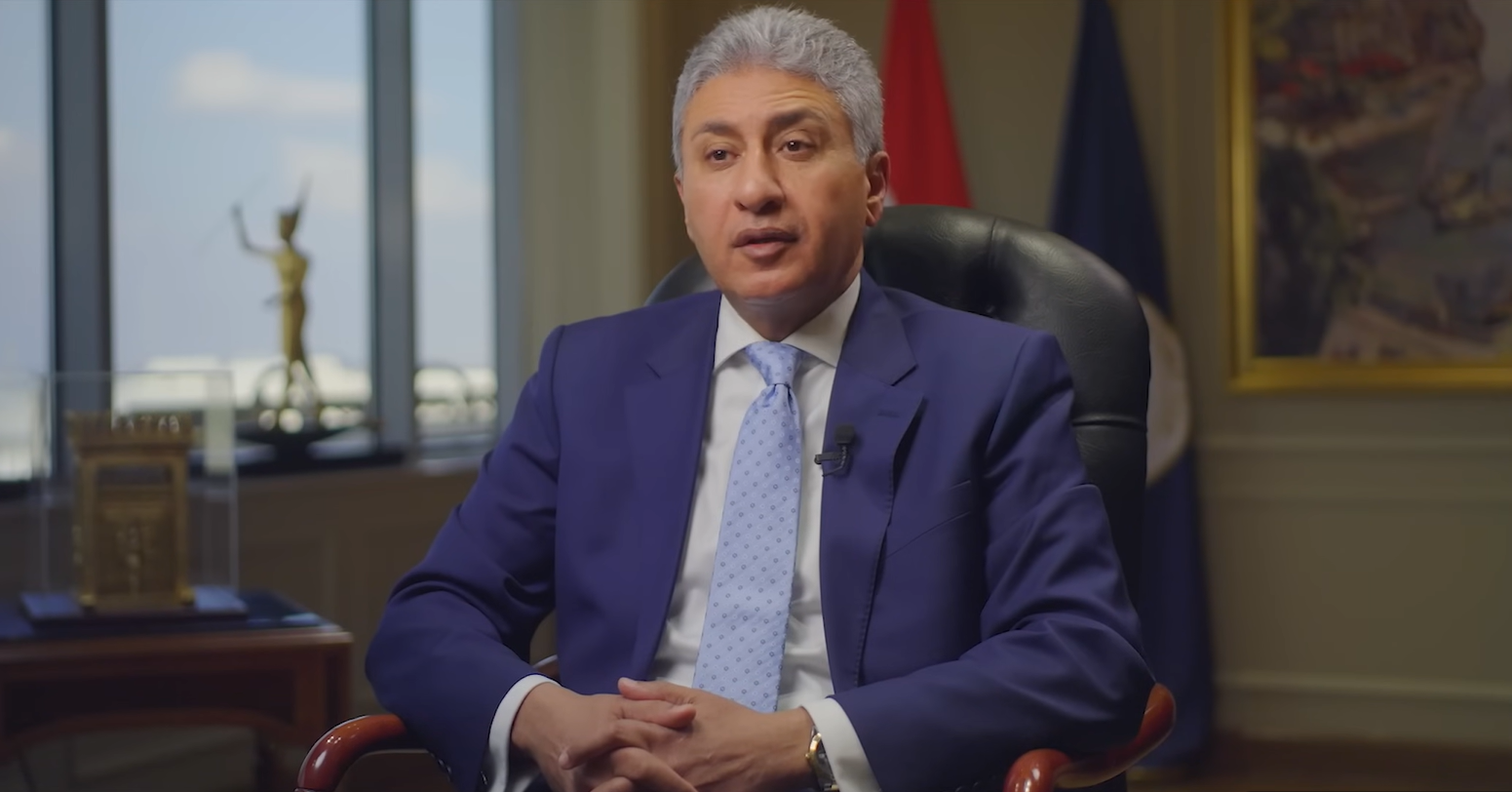
Egypt’s tourism sector is entering a new phase of expansion and diversification, according to Sherif Fathy, Minister of Tourism and Antiquities, who says the country is strengthening its position as one of the world’s fastest-growing travel destinations. In this exclusive interview, he outlines record visitor growth, major infrastructure plans, and a long-term strategy to scale capacity while preserving Egypt’s unique cultural heritage.
“This year, we expect to close the year at 15.3 million tourists,” he says, highlighting steady growth momentum supported by improved infrastructure, new investments, and diversified tourism offerings.
Record Growth and Post-Pandemic Recovery
Fathy points to strong recovery trends in Egypt’s tourism sector, noting that the country achieved a 26% growth rate last year, surpassing pre-pandemic levels. This rebound, he explains, reflects both rising global demand and Egypt’s efforts to reposition itself as a diversified tourism destination.
The ministry’s ambition now is not only to sustain this growth but to scale it further through targeted investments and improved visitor experiences across key regions.
Expanding Egypt’s Tourism Map: Luxor, Aswan and the North Coast
A key pillar of the strategy is geographic diversification. Fathy highlights Luxor and Aswan as priority areas for expansion, with new luxury cruise offerings and upgraded river experiences expected to boost tourism flows along the Nile.
At the same time, Egypt’s North Coast is emerging as a major international destination. He notes that the region attracted visitors from 105 nationalities in a single summer season, with expectations of significantly increased charter flights and hotel investment in the coming years.
This diversification strategy is designed to distribute tourism activity more evenly across the country while unlocking new high-value destinations.
Master Planning Around the Giza Plateau and Grand Museum
A major development initiative is also underway around one of Egypt’s most iconic heritage zones. Fathy explains that a comprehensive master plan is being developed for the area stretching from Sphinx Airport to the Pyramids and the Grand Egyptian Museum.
The plan will define zones for entertainment, recreation, and cultural activities, aiming to enhance the overall visitor experience while protecting the site’s historical significance.
“The vision is to develop the area holistically,” he notes, emphasizing the importance of long-term planning in managing one of the world’s most visited archaeological landscapes.
Scaling Capacity: Hotels, Infrastructure and Training
To meet its long-term tourism targets, Egypt is significantly expanding accommodation capacity. Fathy reveals that around 40,000 hotel rooms are currently in the pipeline, with the broader goal of doubling total national capacity by 2031.
This expansion is directly tied to Egypt’s ambition to reach 30 million tourists annually, requiring both physical infrastructure and workforce development.
To support this, the ministry is also launching an Online Academy for Tourism and Antiquities, designed to train professionals through a modern learning management system and improve service quality across the sector.
Heritage Preservation and Knowledge Export
Beyond tourism growth, Fathy emphasizes Egypt’s role as a global center for archaeological expertise. The country is actively sharing its knowledge in excavation, restoration, and artifact registration with international partners.
He also highlights ongoing projects such as the development of Saint Catherine as a key cultural and heritage milestone, reinforcing Egypt’s dual focus on preservation and modernization.
“Egypt is very much willing to share that its expertise in the area of tourism and antiquities, especially in, excavation, restoration and registration of of antiquities and archeological artifacts.” H.E.Sherif Fathy, Minister of Tourism and Antiquities
Investment, Openness and Sector Transformation
Fathy underscores Egypt’s commitment to improving the business environment to attract more sustainable tourism investment. This includes encouraging private sector participation and welcoming international investors, including those from Africa.
He also points to the long-standing contribution of Egypt’s construction and real estate sectors in supporting tourism development, noting their role in shaping the country’s infrastructure backbone.
“Egypt is open for African investors,” he says, highlighting the government’s flexibility and willingness to support new ideas and tourism projects.
#SherifFathy #EgyptTourism #VisitEgypt #EgyptTravel #EgyptGrowth #TourismEgypt #Egypt2025 #IncredibleEgypt #GrandEgyptianMuseum #GizaPyramids #Luxor #Aswan #NileCruise #NorthCoastEgypt #EgyptInvestment #TourismDevelopment #HospitalityIndustry #CulturalHeritage #Antiquities #SustainableTourism #AfricaTourism #EgyptVision2031 #SIMfilms
