

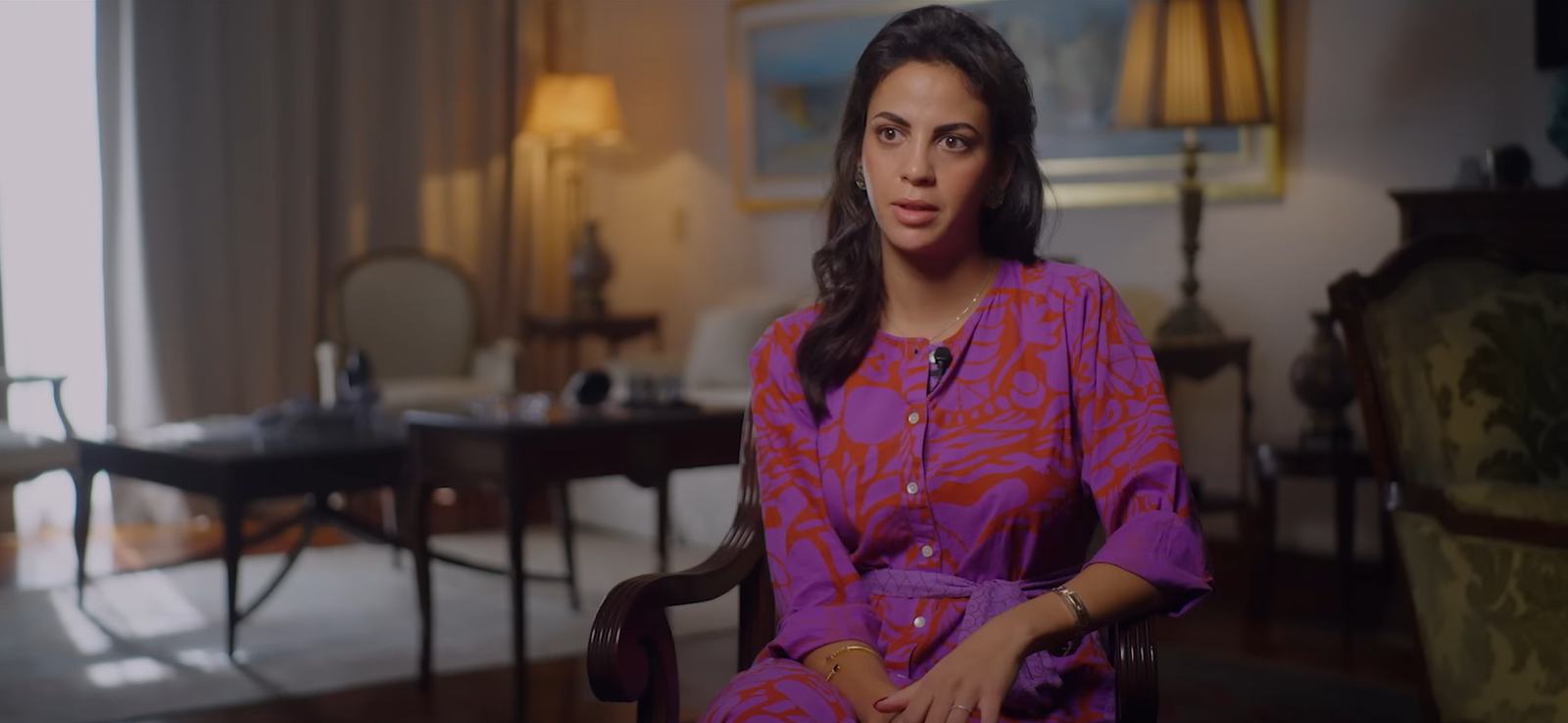
For internationally acclaimed soprano Fatma Said, music is inseparable from identity, history, and cultural memory. Deeply influenced by Egypt’s golden artistic era, Said believes Egyptian music, cinema, poetry, and storytelling continue to shape her artistic expression, even while performing classical European opera on the world’s biggest stages.
In this exclusive interview, she reflects on Egypt’s rich musical legacy, the influence of legendary artists such as and, the evolution of contemporary Egyptian music, and the role culture and education play in shaping artistic identity.
Egypt’s Cultural Influence on Her Artistic Journey
For Said, Egyptian culture was never simply an influence; it became the foundation of her artistic identity.
“Egyptian films revolutionized Egypt and Cairo in a way,” she explains. “Egyptian music, that’s how I started to sing.”
She describes growing up surrounded by Egyptian cinema and classical Arabic music, experiences that continue to shape the emotional depth of her performances today.
“Standing singing an opera aria, I always feel there’s this very Egyptian part of me that is performing these Italian arias in German,” she says.
Even while performing European classical repertoire, Said believes her Egyptian roots remain present in her interpretation, emotional delivery, and connection to storytelling through music.
The Golden Era of Egyptian Music
Said speaks passionately about the cultural and artistic richness of 19th-century Egypt, which she describes as one of the country’s most influential historical periods.
“I do love the 19th century, especially mid-19th century when it comes to Egyptian music,” she says. “I think it was also a golden time in Egypt’s history.”
She highlights the era as a period where music, intellectual life, and cultural innovation flourished simultaneously, laying the foundation for generations of Egyptian artists who followed.
Among the composers she most admires is, whom she describes as one of Egypt’s greatest musical minds.
“I am particularly fond of a composer called Muhammad Uthman, who is regarded as our own Egyptian Mozart or Beethoven,” she explains.
For Said, composers of that era helped define the emotional sophistication and musical identity of Egyptian classical music.
The Evolution of Egyptian Musical Composition
According to Said, Egyptian music evolved significantly over time as composers experimented with orchestration, instrumentation, and harmony.
“Some composers started paving the way to make Egyptian music more polyphonic and more instrumental,” she explains.
She specifically points to as one of the artists who successfully modernized Arabic music while preserving its emotional and cultural depth.
“Abdel Wahab was one of the people who really used this at its best,” she says.
For Said, Abdel Wahab’s ability to merge traditional Arabic musical structures with broader orchestral influences helped redefine modern Egyptian music and shape the region’s contemporary sound.
The Legacy of Umm Kulthum
No conversation about Egyptian music, Said believes, can exist without acknowledging the extraordinary legacy of.
“I think Oum Khoulthoum — there is a reason why people say she is the one and only,” she says. “I don’t think history has seen someone like her again.”
Beyond vocal ability, Said admires Umm Kulthum’s unparalleled emotional interpretation and storytelling through song.
“You feel every word. You have to color every word and paint every phrase,” she explains. “I think Kalsoum did it in Arabic music, and that’s what made her stand out.”
For Said, Umm Kulthum’s performances transcended music itself, becoming emotional and cultural experiences capable of deeply connecting with audiences across generations.
Education and the Future of Culture
While optimistic about Egypt’s contemporary artistic scene, Said believes the future of culture is closely tied to investment in education.
“If you want to look at the cultural and music scene, you have to look at the educational scene and how much Egypt is investing into education,” she says.
According to her, artistic growth cannot be separated from educational development, cultural accessibility, and opportunities for young creatives.
At the same time, she sees encouraging signs emerging within Egypt’s independent and underground music communities.
“There are a lot of independent artists coming out today,” she explains. “There is a lot happening when it comes to electronic music and underground music.”
“There are a lot of independent artists coming out today. There is a lot happening when it comes to electronic music and underground music.” Fatma Said, Soprano
Said believes many young Egyptian artists are experimenting boldly with sound, genre, and lyrical storytelling while remaining deeply connected to emotional authenticity.
“There are a lot of people who write very moving and very deep texts and lyrics,” she says.
Representing Egypt on the Global Stage
Despite her international career, Said says her achievements abroad always feel connected to her identity as an Egyptian artist.
“I feel very proud as an Egyptian when I receive any type of recognition abroad,” she explains. “I feel I am being recognized not as Fatma, but as Egypt.”
For Said, representing Egypt internationally carries both responsibility and pride — an opportunity to showcase the richness, sophistication, and emotional depth of Egyptian culture to global audiences.
Her journey reflects the continued global relevance of Egypt’s artistic heritage and the enduring influence of its music, cinema, and cultural identity across generations.
#FatmaSaid #Egypt #EgyptianMusic #Opera #UmmKulthum #MohamedAbdelWahab #ClassicalMusic #ArabicMusic #EgyptianCulture #MusicHistory #CulturalHeritage #OperaSinger #MiddleEastCulture #IndependentMusic #ElectronicMusic #ArtsAndCulture #EgyptianCinema #GlobalArtist #SIMfilms
